

How it works
Users log sets, weights and reps and follow training plans, with a paywall on premium access. Growth came from a large network of short-video creator accounts that post in repeated formats, paid with roughly half of revenue to keep them motivated. The team runs structured A/B tests on paywalls and key screens and reviews goals every quarter.
Why it is overlooked
The fitness app market looks saturated, but a well-localized product in a language where US apps are weaker can still win.
How to start
- Choose a proven app category and localize deeply for one language market.
- Set up analytics and event tracking from the first release.
- Recruit short-video creators and pay them a share of revenue.
- Test the paywall and the screens where activation happens.
- Interview users to learn why the numbers move.
Numbers from the video
- Revenue
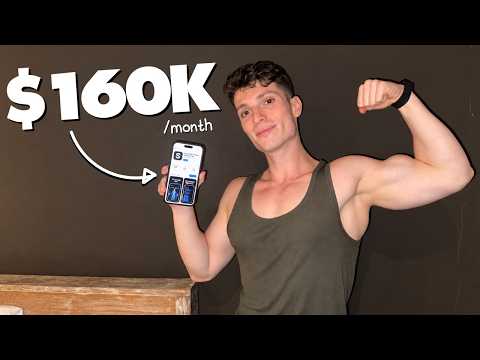
- Reported about $160,000 per month and about 3 million downloads after one year; nearly 80,000 videos posted over 500 accounts for about 8 billion views, with close to half of revenue paid to creators.
- Who is doing it
- Mauro, 22, and fitness YouTuber co-founders; the app took roughly two years from founding to this point.
Figures are as reported in the video. They are not verified and are not advice.