

How it works
The app asks onboarding questions, generates a custom workout, then shows a hard paywall before the first session. It doubles as a workout tracker and adapts to recovery data from other fitness apps. Revenue is app-store subscriptions, driven mostly by paid social ads. A live human support chat is used as a retention feature.
Why it is overlooked
The category looks owned by a big incumbent, but the leader's workouts were poor and sometimes unsafe, leaving room for the same experience with a proper workout engine.
How to start
- Use the leading competitor and note where its output is weak.
- Build an MVP that copies the proven interface but adds sound workout logic.
- Post the build story and technical details on a developer community like Reddit to get first users.
- Add a subscription with a hard paywall once users give feedback.
- Run small daily ad budgets in a cheaper-language market such as Spanish-speaking regions.
Numbers from the video
- Start-up cost
- MVP took 2 to 3 months to build; early ads ran under 50 dollars a day; infrastructure about 1K a month at scale.
- Revenue
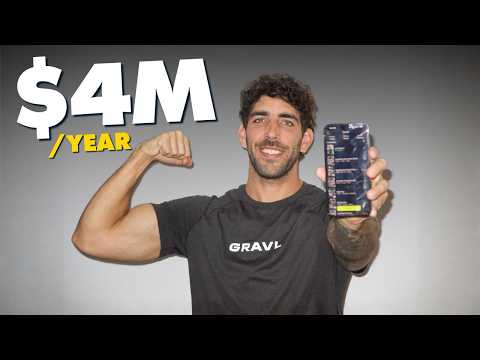
- Video reports over 440K in the latest month, over 70,000 subscribers and over 4 million a year. About a third of revenue goes to ads, 50 to 80K a month to salaries for a team of 13 to 14, and 15 percent to Apple.
- Who is doing it
- Julian, a developer from Argentina, and two partners launched this about two years earlier.
Figures are as reported in the video. They are not verified and are not advice.